
Hon. Wanda Thomas Bernard: Honourable senators, I wish to thank Senator Loffreda for enticing us to Montreal. If this were a bit of a competition, I would say that now it is my turn to entice you to Nova Scotia.
I rise today to speak to the inquiry into the nation-building value of tourism. Thank you, Senator Sorensen, for introducing this inquiry. To all my colleagues who’ve spoken so far, you’ve really set the bar high. Thank you, senator, for encouraging us to think about tourism not simply as an industry, but also as a way of connecting people, places and stories.
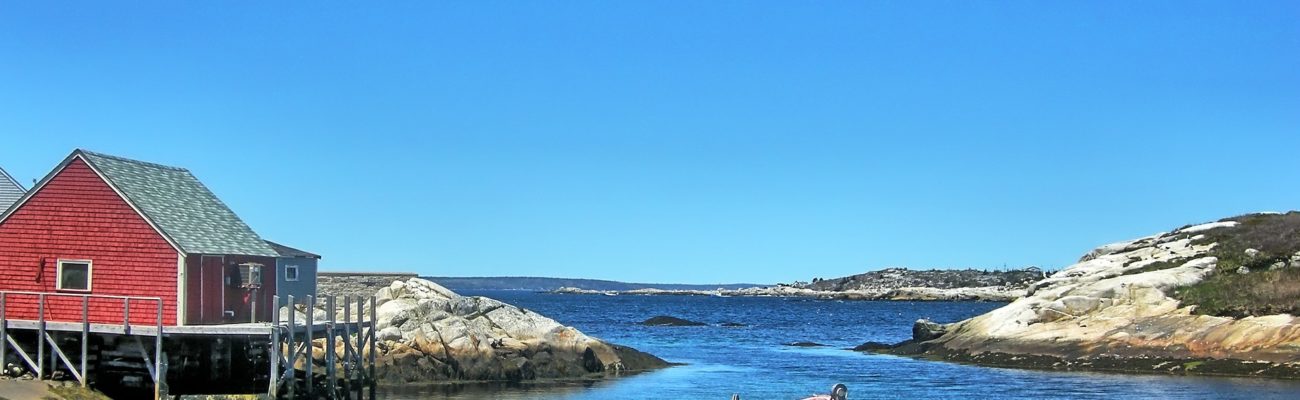
When many people think of Nova Scotia tourism, they think of Peggy’s Cove, the Halifax waterfront or enjoying a lobster roll while gazing out at the Atlantic Ocean — preferably near Lawrencetown Beach, which is a place for world-class surfing. Those are all wonderful experiences.
However, if I was planning the ultimate Nova Scotia tour to invite my honourable colleagues to, I would gently steer you away from those places, onto a bus operated by Kevin Brooks, owner of Ayomikun Bus Charters, and into a very full three-day immersion experience exploring African Nova Scotian history, culture and cuisine, organized by René Boudreau, owner of Elevate and Explore.
Now, while I consider myself to be a decent tour guide, these two African Nova Scotian business owners would provide you with a much better tourism experience. Their focus is simple: to promote Nova Scotia’s rich Black history and culture while supporting Black-owned businesses.
I should warn you in advance that this tour involves very little free time and a considerable amount of eating. I should also disclose that both Kevin and René are from East Preston, and they are both my cousins. However, I promise that this three-day tour will be unforgettable.
African Nova Scotians have been helping build the province for more than 400 years, yet many of our stories remain among Nova Scotia’s best-kept secrets.
When George and I travelled to England for the first time, everyone we met assumed we were Americans, and most were surprised to know that Black people actually lived in Nova Scotia and that we were born there. However, there has been growing awareness of the contributions of African Nova Scotians to tourism in our province for many decades now. George was a photographer and an artist. While serving on the Nova Scotia Volunteer Planning Board back in the 1990s, George contributed some of his photographs to tourism campaigns to help make promotional materials more reflective of the diversity of Nova Scotia.
More recently — have you heard this news? — National Geographic named Nova Scotia one of the best places in the world to visit in 2027. Did you know that? And they specifically highlighted our vibrant Mi’kmaw and African Nova Scotian heritage. I was so excited to see this news because it means that our contributions are finally being recognized. And today, dear colleagues, you get to explore some of that African Nova Scotian history with me.
The tourism industry in Nova Scotia would not be what it is without the dedication of small-business owners, and many African Nova Scotians contribute to tourism through entrepreneurship, like Kevin and René. Nova Scotia is home to more than 50 historic African Nova Scotian communities, with a heritage spanning over four centuries. This rich history attracts visitors from across Canada and around the world. We continue to welcome many visitors from the United States, even now, despite the trade war.
Colleagues, are you ready for an unforgettable tour? Let’s board that bus. Our tour would begin close to my hometown of East Preston at the Black Cultural Centre for Nova Scotia in Cherry Brook. We would take our time exploring the permanent collections and learning about the many achievements of African Nova Scotians: church, politics, music, basket weaving and so many cultural artifacts. Visitors can also enjoy special exhibits, including one currently featuring George’s photography. I admit to being a little biased, but I think that alone is worth the visit.
Then a short walk across the street brings us to Kinney Place for a tour of the business hub of Preston Township, owned and operated by Akoma Holdings. We would have lunch at the Opus Cafe in their cozy, family-centred space. Every successful tourism strategy eventually leads to food, and this tour is no exception.
After e enjoying lunch at the Opus Cafe, we would board the bus and head across the harbour to the Africville Museum in Halifax to visit the replica of the historic Africville church. There, visitors would learn about the forced relocation of Africville residents in the 1960s and the ongoing journey toward justice and reparations.
From there, we would visit the Delmore “Buddy” Daye Learning Institute, home to a beautiful community gathering space and a Black-owned bookstore. Then we would cross the street and visit the New Horizons Baptist Church, affectionately known in our community as the “Mother Church,” founded by Richard Preston in 1832.
Then we would go up to Gottingen Street to visit the Viola Desmond beauty salon tribute, which sits on the street. From there, we would travel to the ferry to see the Viola Desmond ferry. And then we would stop for dinner at Mary’s African Cuisine on Barrington Street. You might enjoy a plate of stewed oxtail on jollof rice, and that in itself would be an experience.
This, senators, brings day one of your immersion experience to an end, but then we need a good night’s rest because we are preparing for our trip to New Glasgow and Cape Breton, replicating the trip that Viola Desmond took on that fateful day in 1946. A full day could easily be devoted to the legacy of Viola Desmond.
Day two of our journey would begin in New Glasgow at the Roseland Theatre, the site of her arrest in 1946. Then we would go to the Africentric Heritage Park for a lunch prepared by the women’s auxiliary of the Second Baptist Church, the Black church in New Glasgow.
From there, we would continue on to the No. 2 Construction Battalion memorial in Pictou, honouring the brave Black soldiers who served Canada during World War I. By this point, senators, you may feel that you have learned enough history to face a final exam, but our tour is far from over.
We would go on to beautiful Cape Breton. That’s where Viola Desmond was headed that day. No African Nova Scotian heritage tour would be complete without a stop at Melnick Hall in Sydney. This historic gathering place hosted Marcus Garvey during his 1937 visit to Nova Scotia. Standing in that space, senators, you would learn about Garvey’s “back to Africa” movement, his message of Black pride, self-determination and economic empowerment and the influence that his ideas had on Black communities around the world, including here in Nova Scotia. We continue that work today.
If we have any energy left, we may pop over to the UNIA Hall in Glace Bay, where Garvey also spoke his powerful words about mental emancipation, which — did you know? — inspired Bob Marley’s “Redemption Song.” If I could sing and were allowed to, I would break into singing that song.
It is remarkable to think that, in the coal mining and steel plant communities of Cape Breton, people came to hear a global Black leader speak of dignity, possibility and hope. Senators, it is a reminder that African Nova Scotian history has always been connected to a much larger global story.
Of course, no tour guide would be worth their salt if they left Cape Breton without ensuring everyone enjoyed some local hospitality and cuisine. We might even stay overnight in Membertou before getting back on the bus and heading across Nova Scotia for day three of our trip.
Kevin and René would then take us to Shelburne County and the Black Loyalist Heritage Centre in Birchtown. This is one of the most significant Black historical sites in Canada. Here, visitors learn about the thousands of Black Loyalists who arrived in Nova Scotia after the American Revolution, seeking the freedom and opportunity they had been promised.
The centre tells an inspiring story of perseverance, but it also confronts difficult truths. You will learn about what is widely recognized as the first race riot in what is now Canada, a stark reminder that anti-Black racism has deep historical roots in this country. Walking through the replicas of the small huts many Black Loyalists called home is a haunting experience. These modest structures will help you understand the harsh realities faced by people who had escaped enslavement only to encounter discrimination and broken promises and to live through profound hardship.
It is not comfortable history, but it is essential history. It is part of our history. Tourism is at its best when it moves beyond postcards and picturesque landscapes, helping us to understand the people, struggles and stories that shaped a place. Sites like Birchtown help visitors better understand the roots of anti-Black racism in Canada while also witnessing the extraordinary resilience of those who built communities that continue to survive and thrive today. I’m grateful to stand on their shoulders.
After our trip to Shelburne, we head back to Halifax and stop at various monuments and heritage sites. You would learn about the Jamaican Maroons at Citadel Hill and the remarkable contributions of William Hall at the Maritime Museum of the Atlantic.
More recently, the development of community land trusts in African Nova Scotian communities has begun attracting attention from across Canada and the United States. Last month, my team and I had the opportunity to visit the Upper Hammonds Plains Community Land Trust, which is developing innovative cooperative-style housing. Similar initiatives are underway across Nova Scotia, in Weymouth Falls, Gibson Woods and North End Halifax. I’m sorry, senators, but we don’t have time to visit all of them in three days. These projects demonstrate how communities can preserve their history, protect their land and create opportunities for future generations while welcoming visitors to learn from their experiences.
Nova Scotia has no shortage of extraordinary places to visit. Our coastlines are beautiful, our history is remarkable and our people are friendly and welcoming.
Honourable senators, I encourage you to put Nova Scotia on your list of places to visit in 2027. After all, National Geographic says it is one of the best places in the world to travel to in 2027. They highlighted our vibrant Mi’kmaw and African Nova Scotian heritage, and today, I have given you a little taste of what an immersion into African Nova Scotian heritage might offer. I guarantee that you will leave with a deeper understanding of Nova Scotia, a fuller appreciation of Canadian history, a renewed sense of the resilience of the human spirit and, probably, a fuller stomach.
Asante. Thank you.